
 Informacje turystyczne
(Zoptymalizowane dla urządzeń z małym ekranem)
Downtown - Kaposvár, Węgry
Po kliknięciu:
Kliknij na zdjęcia!
-

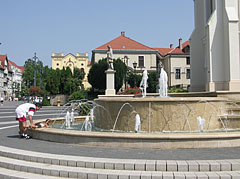
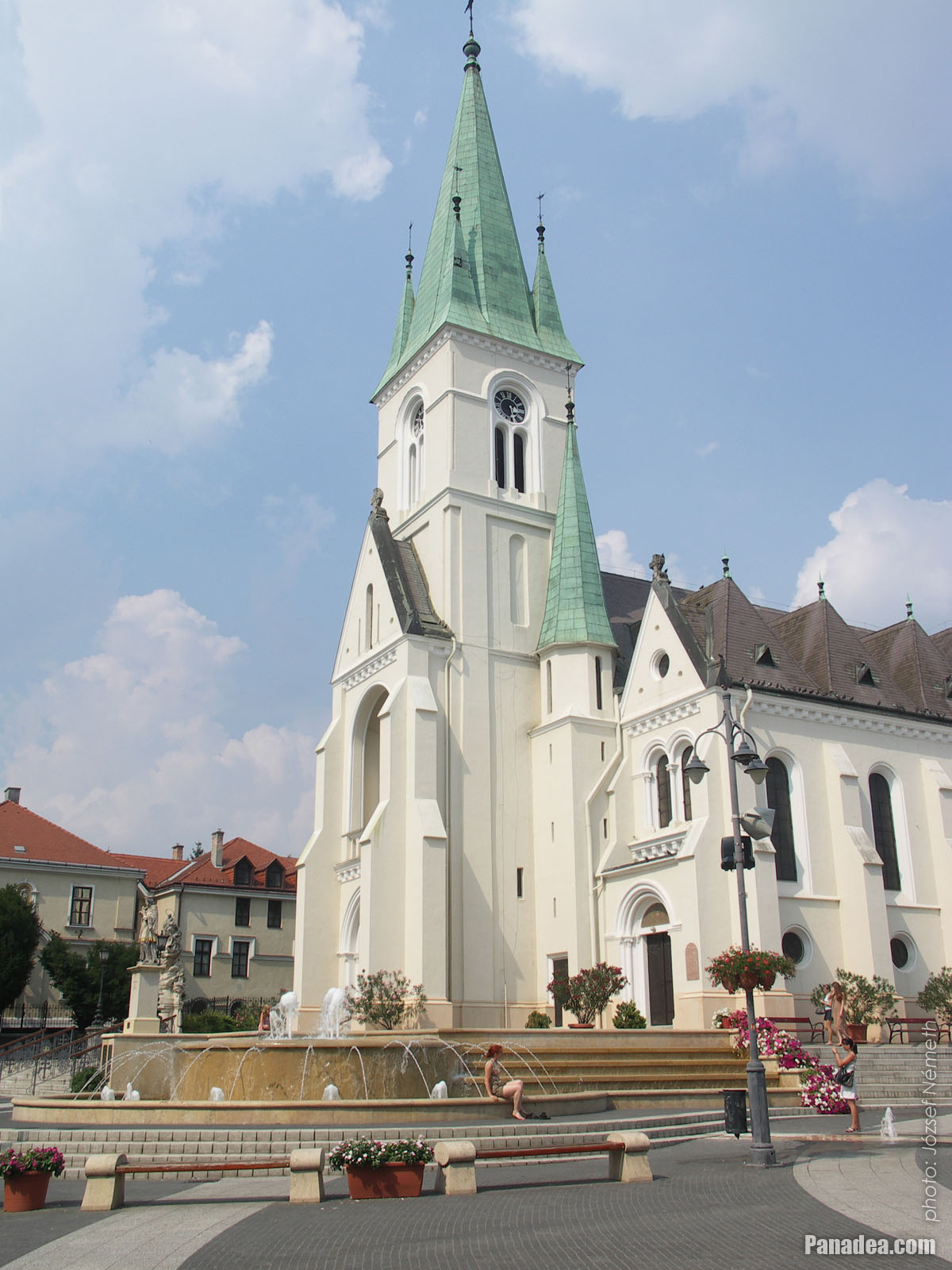
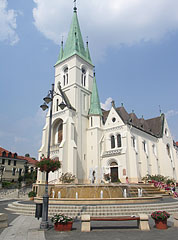
Terraced fountains in front of the cathedral
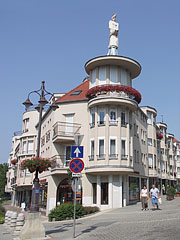
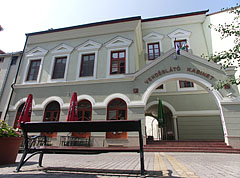
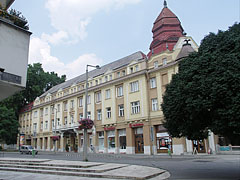
At the edge of the square with the socialist realist building of Hotel Kapos stands at the edge of the square
Data fotografii: 29.07.20062006
Wykonawca: Robert Németh
Model aparatu: Konica Minolta Dimage A200
Kaposvár, Węgry
-

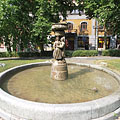
Cool fountain with oleanders in the center of the main square, and the Roman Catholic Episcopal Church
Data fotografii: 29.07.20062006
Wykonawca: Robert Németh
Model aparatu: Konica Minolta Dimage A200
Kaposvár, Węgry
-
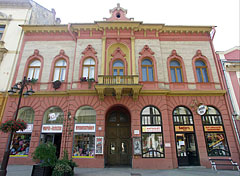
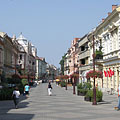
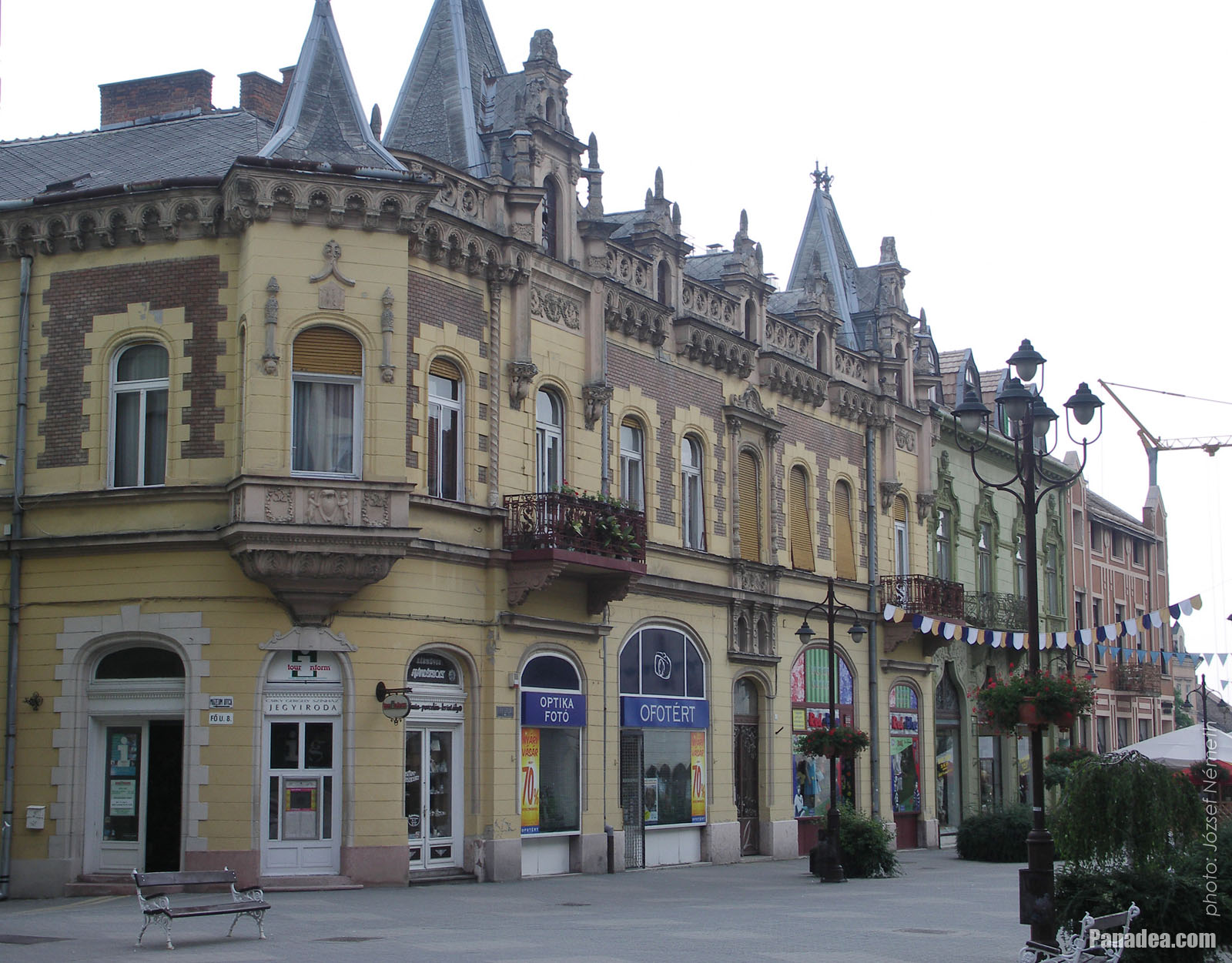
Streetscape
Data fotografii: 29.07.20062006
Wykonawca: Robert Németh
Model aparatu: Konica Minolta Dimage A200
Kaposvár, Węgry
-

Csiky Gergely Theatre of Kaposvár
Data fotografii: 29.07.20062006
Wykonawca: Robert Németh
Model aparatu: Konica Minolta Dimage A200
Kaposvár, Węgry
-
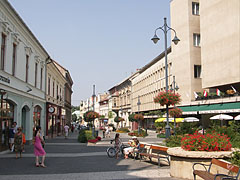
Street view
Data fotografii: 29.07.20062006
Wykonawca: Robert Németh
Model aparatu: Konica Minolta Dimage A200
Kaposvár, Węgry
-
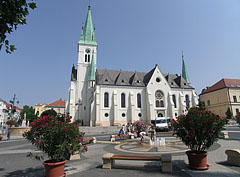
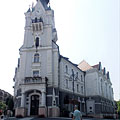
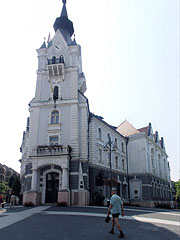
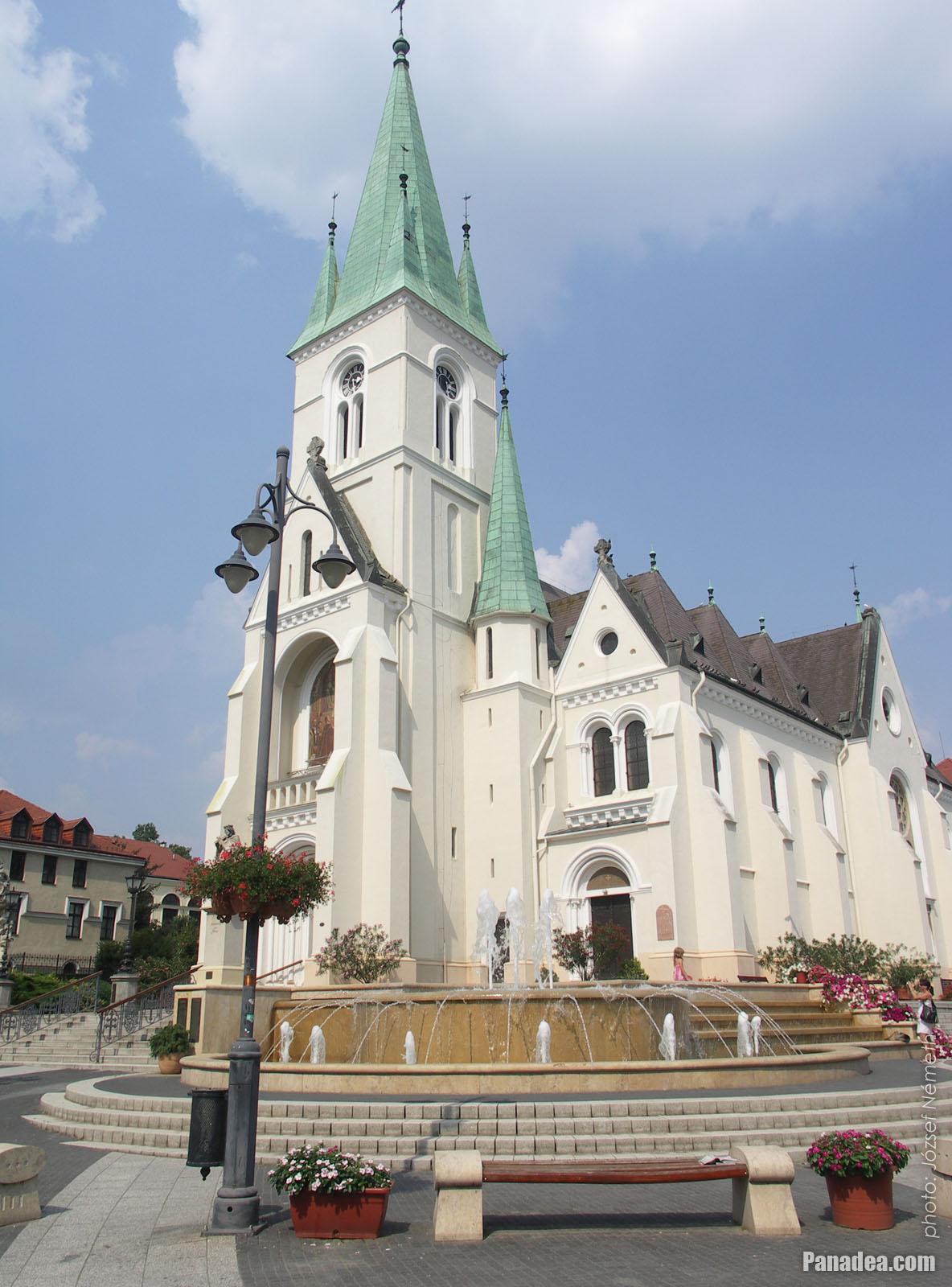
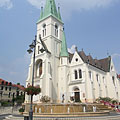
The Assumption of Our Lady Roman Catholic Cathedral of Kaposvár ("Nagyboldogasszony-székesegyház")
Data fotografii: 29.07.20062006
Wykonawca: Robert Németh
Model aparatu: Konica Minolta Dimage A200
Kaposvár, Węgry
-
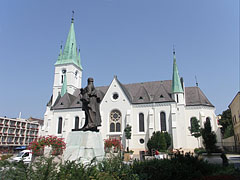
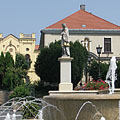
Statue of Lajos Kossuth Hungarian politician at the Roman Catholic Cathedral of Kaposvár
Data fotografii: 29.07.20062006
Wykonawca: Robert Németh
Model aparatu: Konica Minolta Dimage A200
Kaposvár, Węgry
-
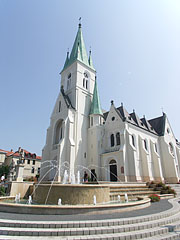
The Assumption of Mary Roman Catholic Cathedral of Kaposvár ("Nagyboldogasszony-székesegyház")
The vessels for holy water in the Kaposvár Cathedral were made of the famous Carrara marble. Also worth mentioning the rococo style Marian column and the statue of St. John of Nepomuk near the entrance. The St. Stephen's Fountain (or "Szent István Fountain") on the southern side of the cathedral was created by Jenő Bory Hungarian sculptor.
Data fotografii: 29.07.20062006
Wykonawca: Robert Németh
Model aparatu: Konica Minolta Dimage A200
Kaposvár, Węgry
-
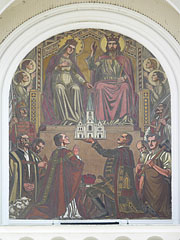
Wall painting on the facade of the Cathedral of the Assumption of Mary ("Nagyboldogasszony-székesegyház")
Data fotografii: 29.07.20062006
Wykonawca: Robert Németh
Model aparatu: Konica Minolta Dimage A200
Kaposvár, Węgry
-
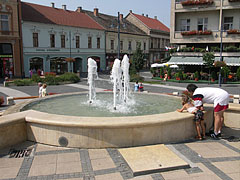
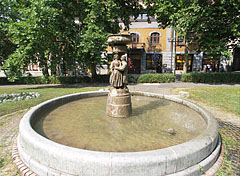
Fountain in the main square
Data fotografii: 29.07.20062006
Wykonawca: Robert Németh
Model aparatu: Konica Minolta Dimage A200
Kaposvár, Węgry
-
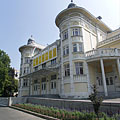
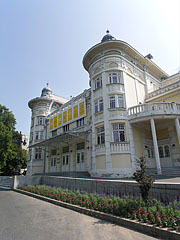
The romantic style building of the former priory
The former priory building was designed by Krisztián Deckert, consecrated in 1873. Today there is the Assumption Roman Catholic Secondary School and Primary School (in Hungarian "Nagyboldogasszony Katolikus Gimnázium és Általános Iskola") within its walls.
Data fotografii: 29.07.20062006
Wykonawca: Robert Németh
Model aparatu: Konica Minolta Dimage A200
Kaposvár, Węgry
The romantic style building of the former priory - Kaposvár, Węgry -
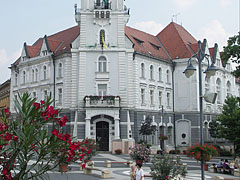
The older building of the Town Hall
Data fotografii: 29.07.20062006
Wykonawca: Robert Németh
Model aparatu: Konica Minolta Dimage A200
Kaposvár, Węgry
The older building of the Town Hall - Kaposvár, Węgry -
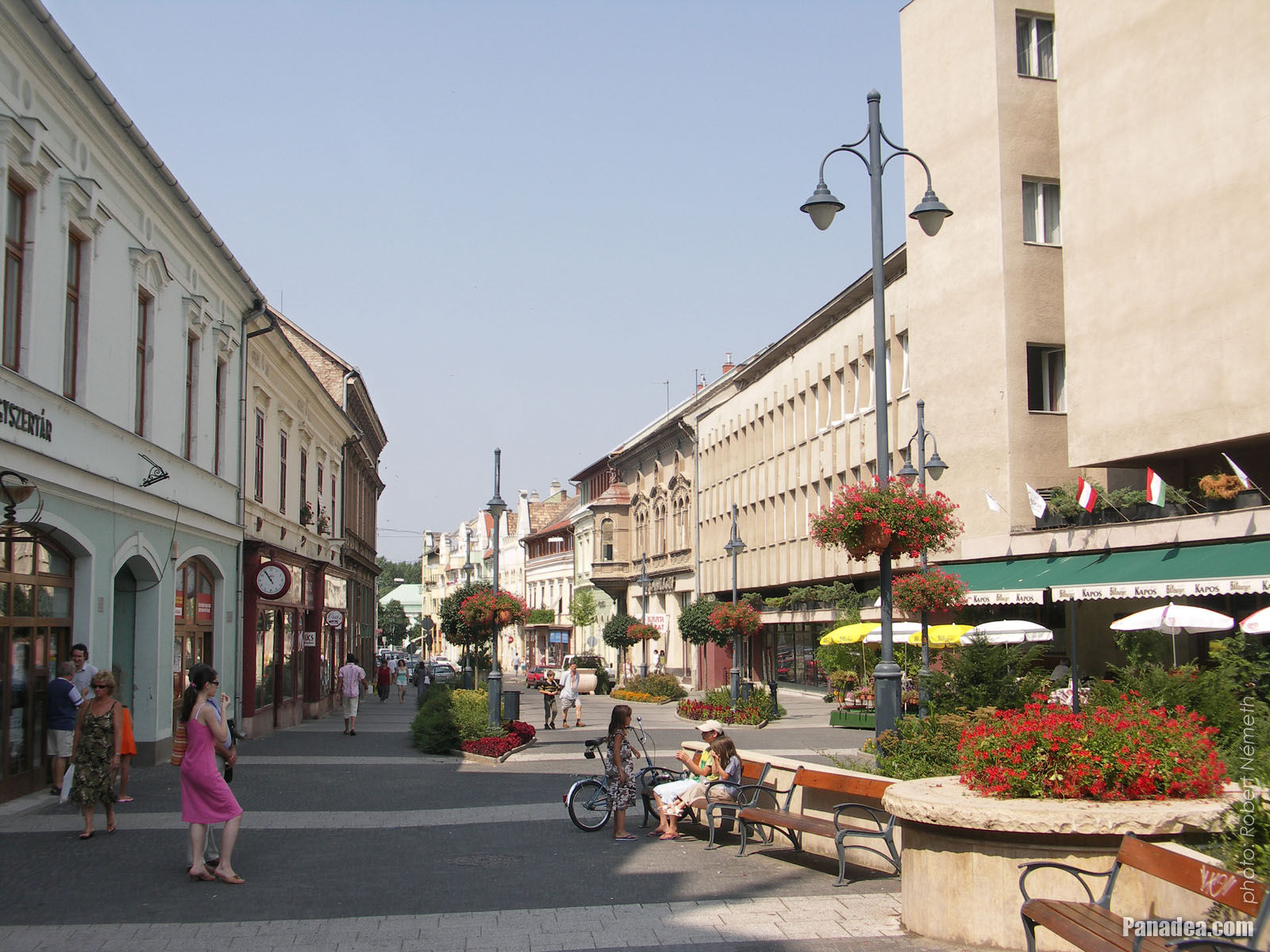
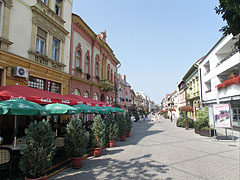
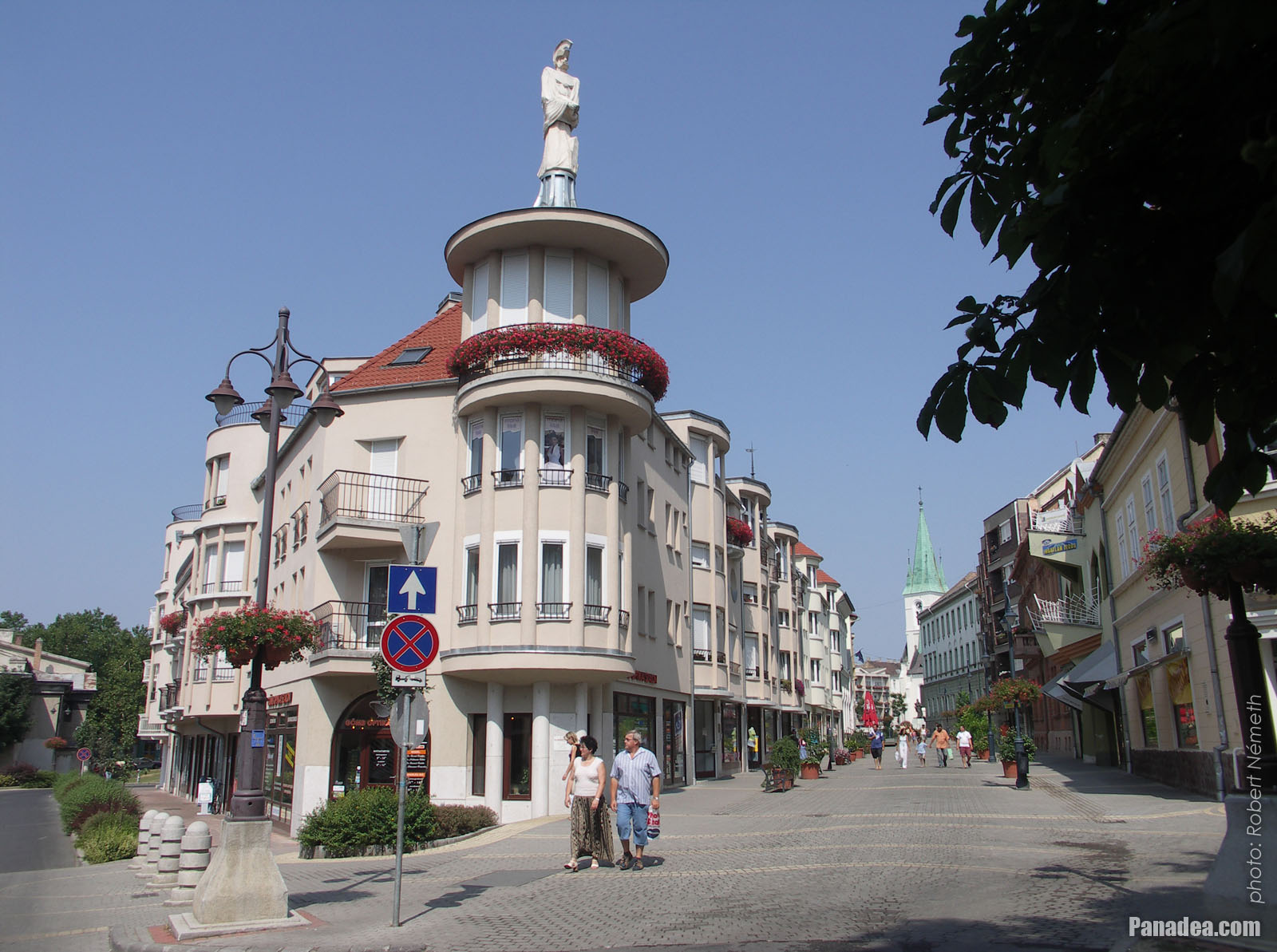
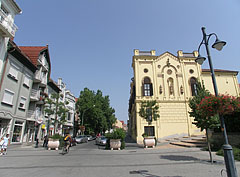
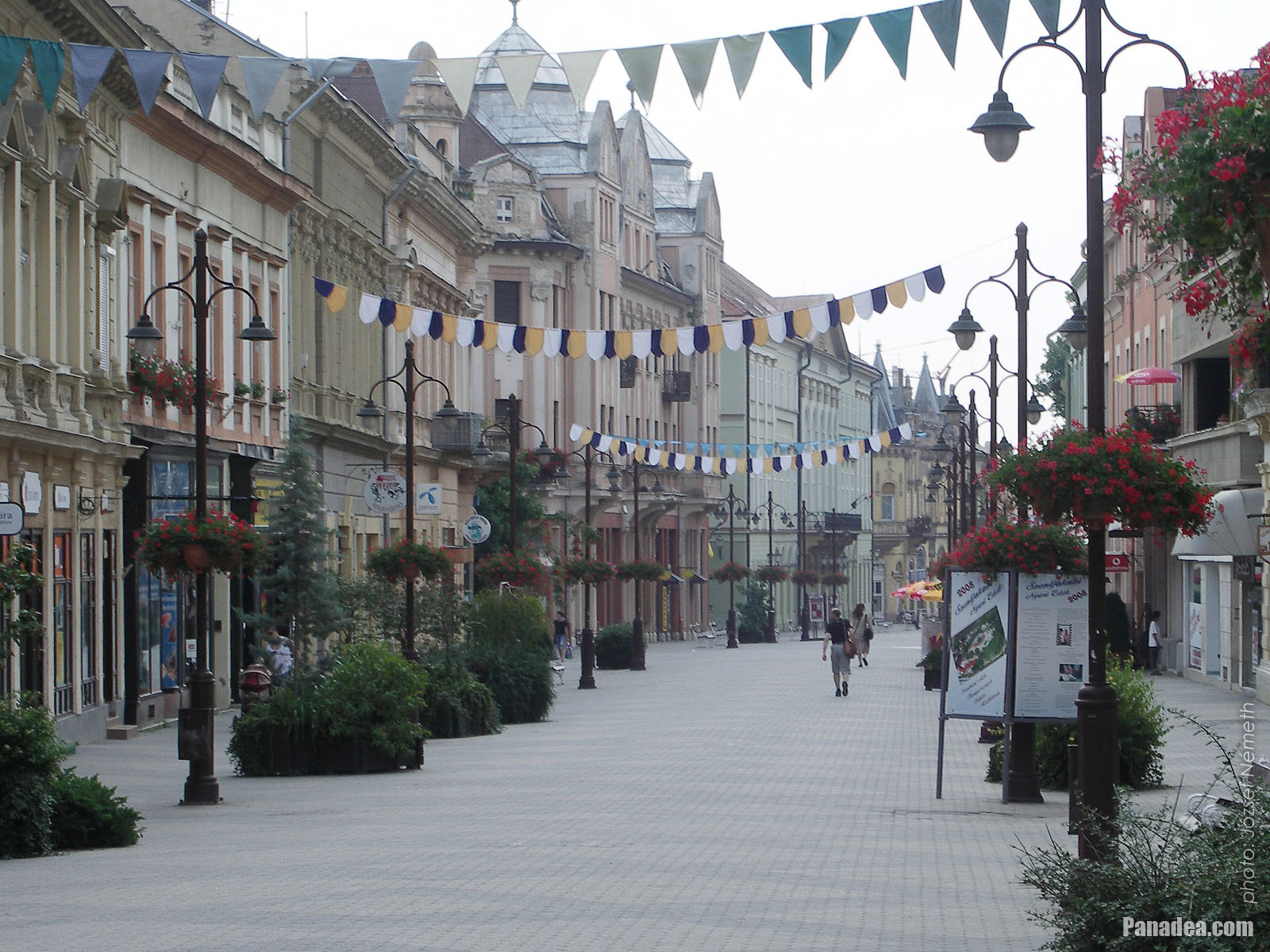
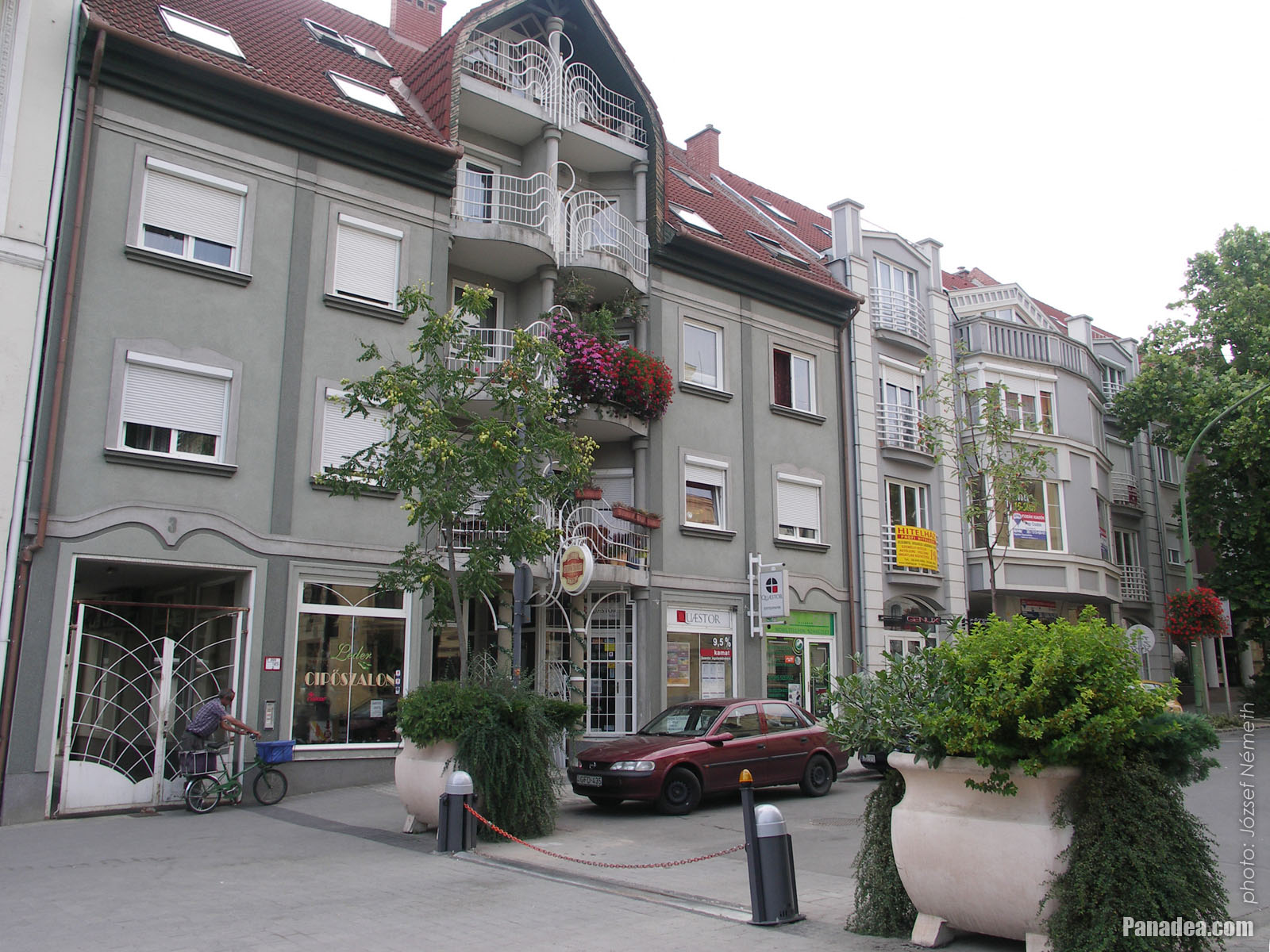
One of the new pedestrians only streets somewhere around the main square
Data fotografii: 29.07.20062006
Wykonawca: Robert Németh
Model aparatu: Konica Minolta Dimage A200
Kaposvár, Węgry
One of the new pedestrians only streets somewhere around the main square - Kaposvár, Węgry -
Streetscape
Data fotografii: 29.07.20062006
Wykonawca: Robert Németh
Model aparatu: Konica Minolta Dimage A200
Kaposvár, Węgry
Streetscape - Kaposvár, Węgry -
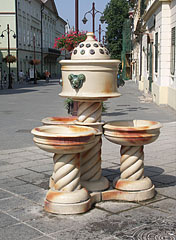
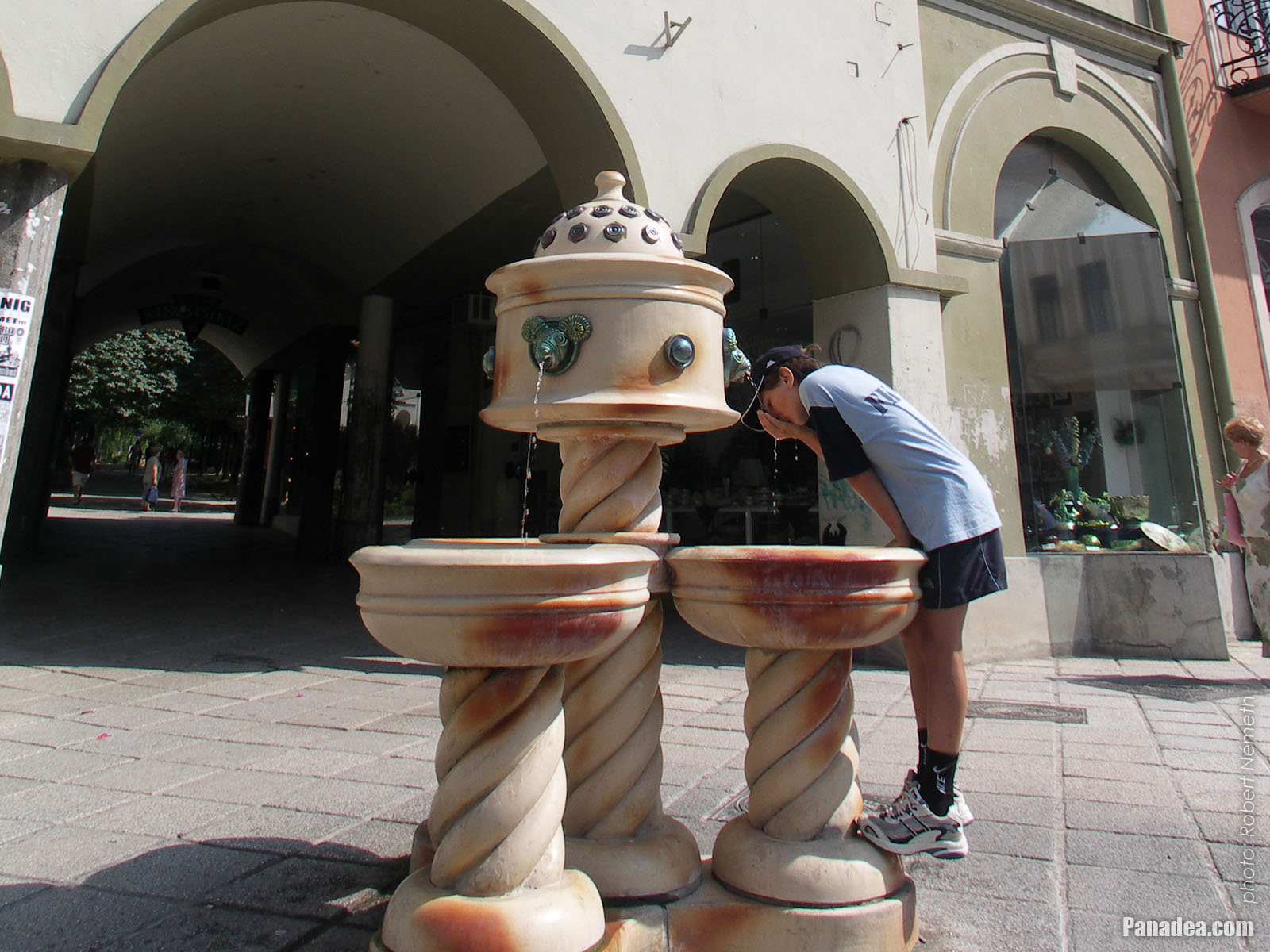
Zsolnay fountain with unique eosin glaze on the pedestrian street
The Zsolnay Fountain on the main street was made of ceramics, created by György Fürtös in 1988. The best known Zsolnay Fountain is located in another city in the Southern Transdanubia ("Dél-Dunántúl") region, in the main square of Pécs (the Zsolnay Porcelain Manufacture is also situated in Pécs).
Data fotografii: 29.07.20062006
Wykonawca: Robert Németh
Model aparatu: Konica Minolta Dimage A200
Kaposvár, Węgry
Zsolnay fountain with unique eosin glaze on the pedestrian street - Kaposvár, Węgry -
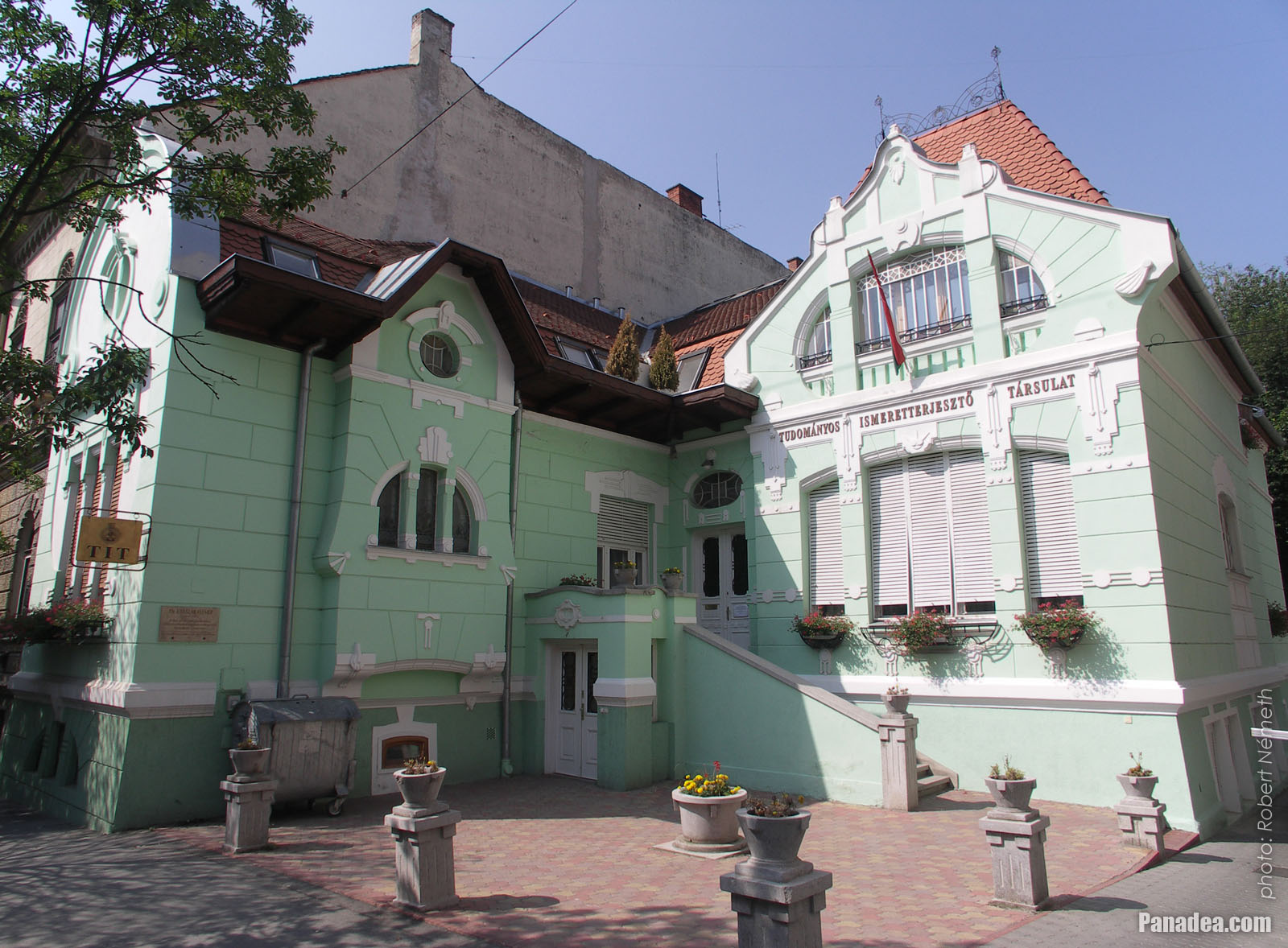
The Somogy County headquarters of the Hungarian Society for Scientific Information (T.I.T.)
Data fotografii: 29.07.20062006
Wykonawca: Robert Németh
Model aparatu: Konica Minolta Dimage A200
Kaposvár, Węgry
The Somogy County headquarters of the Hungarian Society for Scientific Information (T.I.T.) - Kaposvár, Węgry -
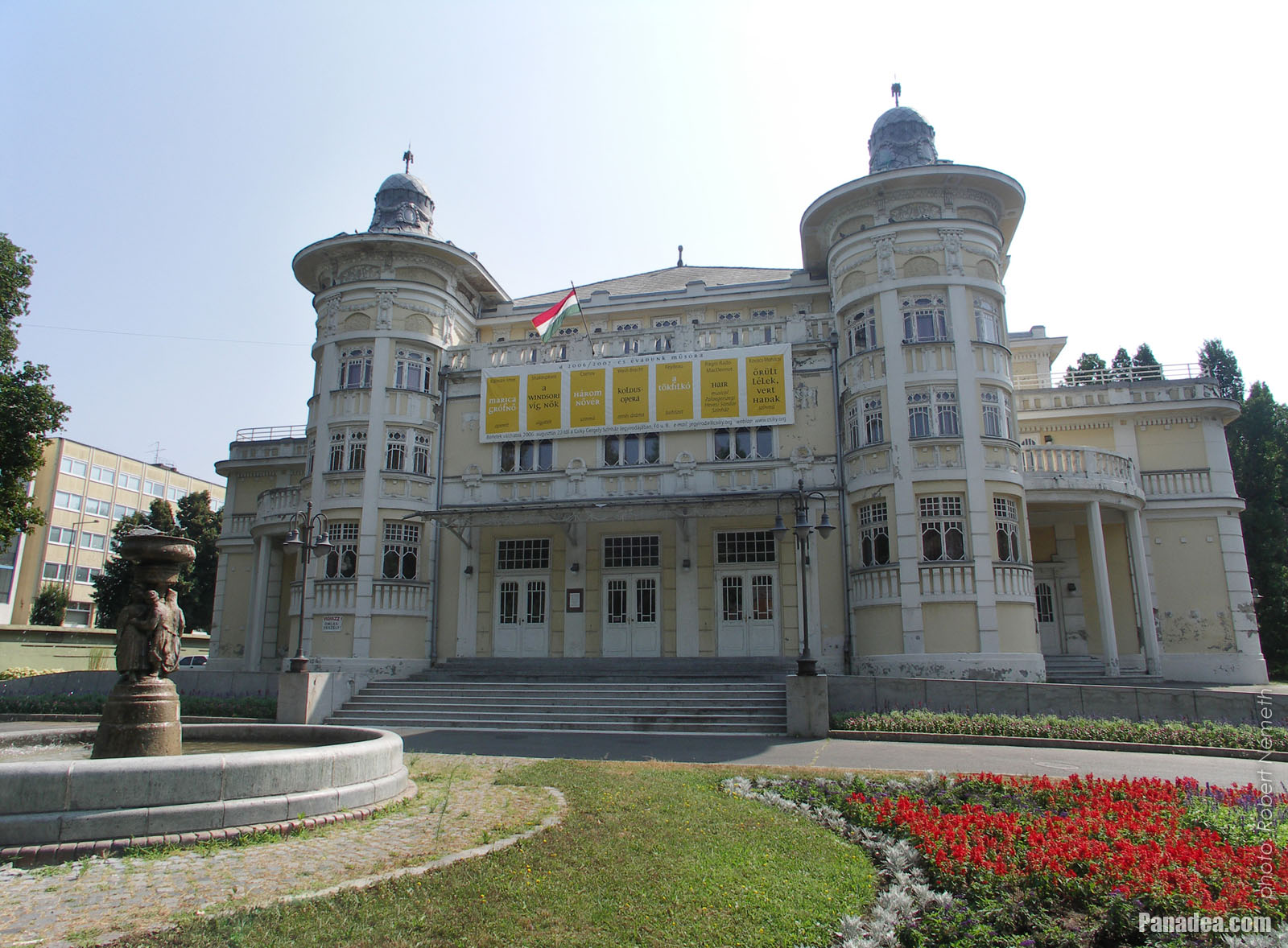
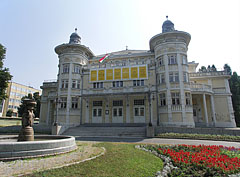
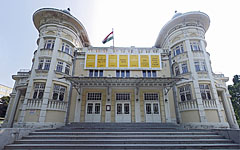
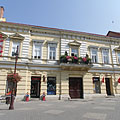
Gergely Csiky Theatre of Kaposvár
The Art Nouveau (secessionist) style building was designed by Ede Magyar and József Stahl Hungarian architects, inaugurated in 1911.
Data fotografii: 29.07.20062006
Wykonawca: Robert Németh
Model aparatu: Konica Minolta Dimage A200
Kaposvár, Węgry
Gergely Csiky Theatre of Kaposvár - Kaposvár, Węgry -
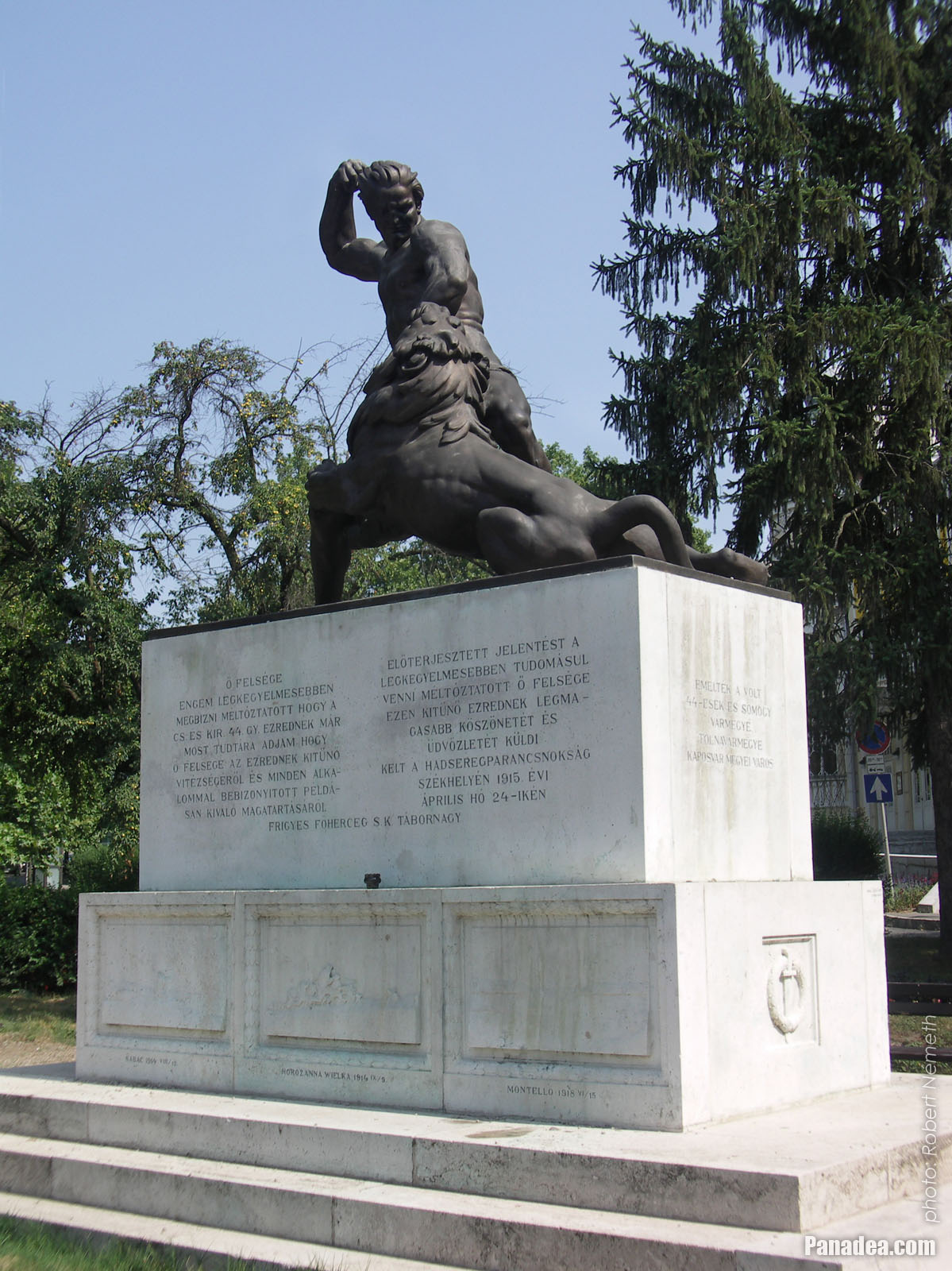
A statue in front of the Gergely Csiky Theatre of Kaposvár
Data fotografii: 29.07.20062006
Wykonawca: Robert Németh
Model aparatu: Konica Minolta Dimage A200
Kaposvár, Węgry
A statue in front of the Gergely Csiky Theatre of Kaposvár - Kaposvár, Węgry -
Gergely Csiky Theatre of Kaposvár
Data fotografii: 29.07.20062006
Wykonawca: Robert Németh
Model aparatu: Konica Minolta Dimage A200
Kaposvár, Węgry
Gergely Csiky Theatre of Kaposvár - Kaposvár, Węgry -
Csiky Gergely Theater of Kaposvár
Data fotografii: 29.07.20062006
Wykonawca: Robert Németh
Model aparatu: Konica Minolta Dimage A200
Kaposvár, Węgry
Csiky Gergely Theater of Kaposvár - Kaposvár, Węgry -
Data fotografii: 29.07.20062006
Wykonawca: Robert Németh
Model aparatu: Konica Minolta Dimage A200
Kaposvár, Węgry
- Kaposvár, Węgry -
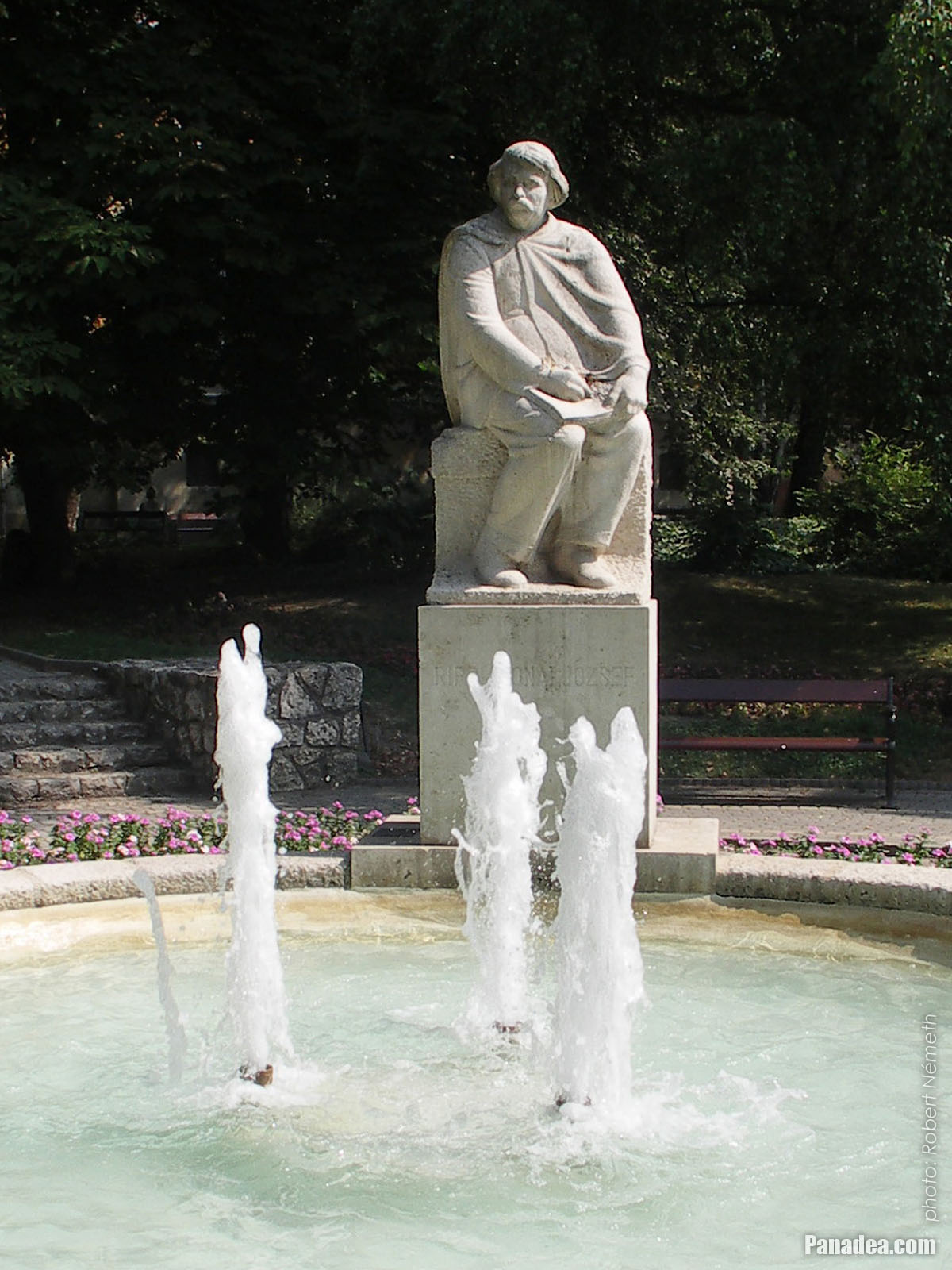
Rippl-Rónai Fountain
Created by Ferenc Medgyessy in 1930
Data fotografii: 29.07.20062006
Wykonawca: Robert Németh
Model aparatu: Konica Minolta Dimage A200
Kaposvár, Węgry
Rippl-Rónai Fountain - Kaposvár, Węgry -
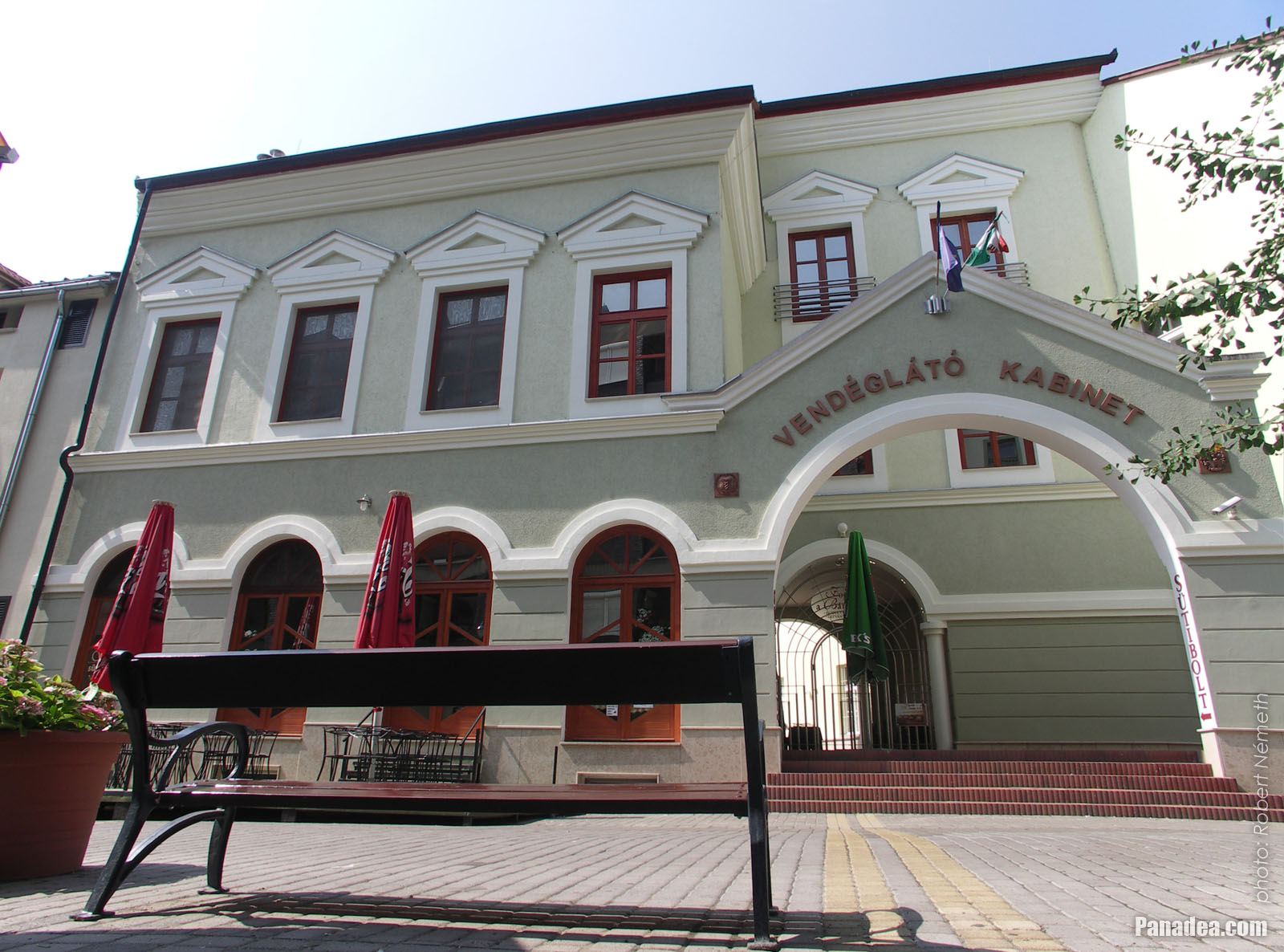
"Cookie shop" (in the building of Széchenyi István Vocational and Training School of Commerce and Catering Trade)
Data fotografii: 29.07.20062006
Wykonawca: Robert Németh
Model aparatu: Konica Minolta Dimage A200
Kaposvár, Węgry
"Cookie shop" (in the building of Széchenyi István Vocational and Training School of Commerce and Catering Trade) - Kaposvár, Węgry -
Streetscape
Data fotografii: 29.07.20062006
Wykonawca: Robert Németh
Model aparatu: Konica Minolta Dimage A200
Kaposvár, Węgry
Streetscape - Kaposvár, Węgry -
Street view
Data fotografii: 29.07.20062006
Wykonawca: Robert Németh
Model aparatu: Konica Minolta Dimage A200
Kaposvár, Węgry
Street view - Kaposvár, Węgry -
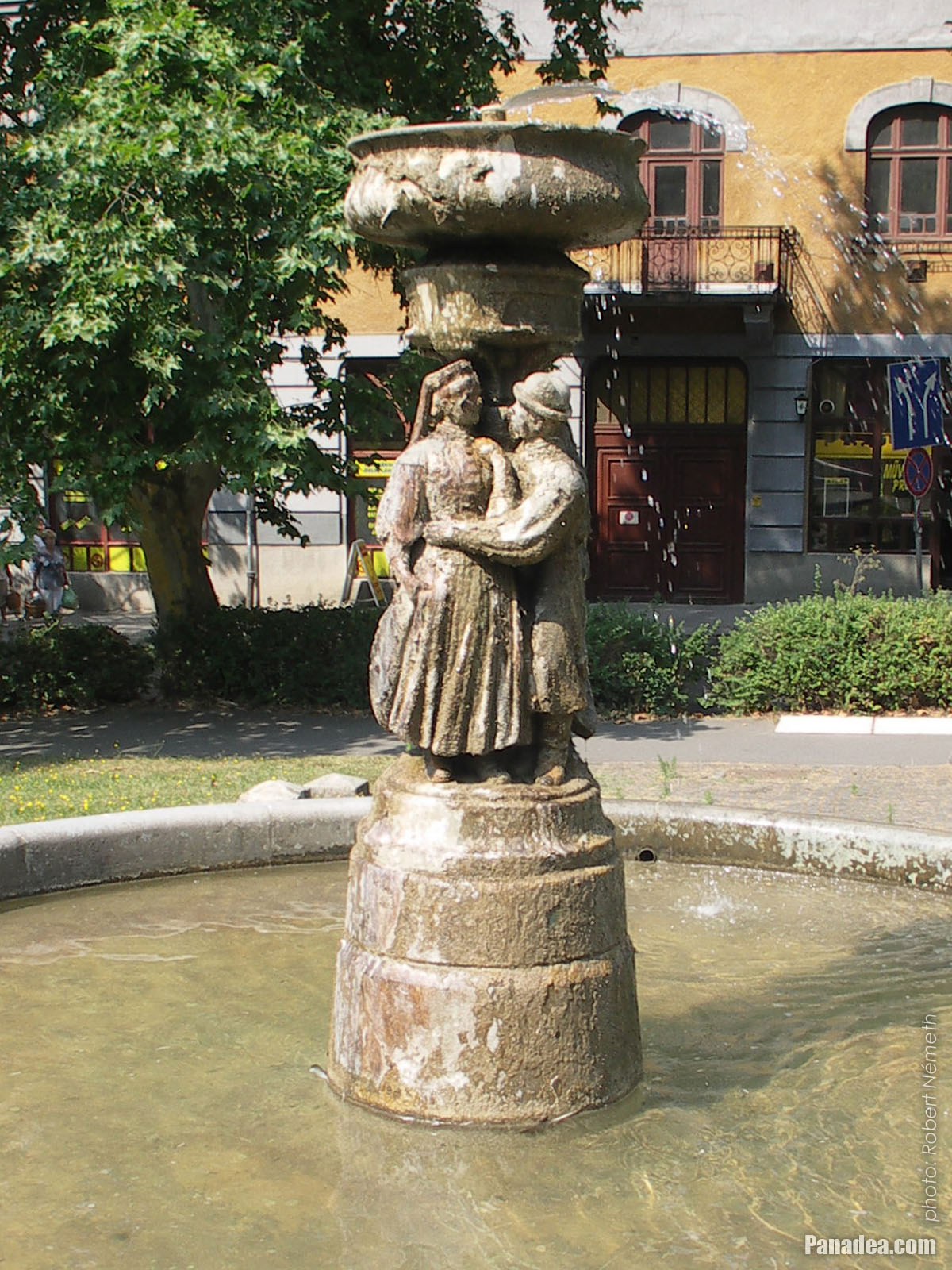
Fountain in front of the Gergely Csiky Theatre of Kaposvár
The fountain with the statue that represents a dancing couple was created by András Sinka in 1930.
Data fotografii: 29.07.20062006
Wykonawca: Robert Németh
Model aparatu: Konica Minolta Dimage A200
Kaposvár, Węgry
Fountain in front of the Gergely Csiky Theatre of Kaposvár - Kaposvár, Węgry -
Playful fountains
Data fotografii: 29.07.20062006
Wykonawca: Robert Németh
Model aparatu: Konica Minolta Dimage A200
Kaposvár, Węgry
Playful fountains - Kaposvár, Węgry -
Statue of Saint John of Nepomuk, farther with the yellow building of the former priory
Data fotografii: 29.07.20062006
Wykonawca: Robert Németh
Model aparatu: Konica Minolta Dimage A200
Kaposvár, Węgry
Statue of Saint John of Nepomuk, farther with the yellow building of the former priory - Kaposvár, Węgry -
Data fotografii: 29.07.20062006
Wykonawca: Robert Németh
Model aparatu: Konica Minolta Dimage A200
Kaposvár, Węgry
- Kaposvár, Węgry -
Data fotografii: 29.07.20062006
Wykonawca: Robert Németh
Model aparatu: Konica Minolta Dimage A200
Kaposvár, Węgry
- Kaposvár, Węgry -
Data fotografii: 29.07.20062006
Wykonawca: Robert Németh
Model aparatu: Konica Minolta Dimage A200
Kaposvár, Węgry
- Kaposvár, Węgry -
Data fotografii: 29.07.20062006
Wykonawca: Robert Németh
Model aparatu: Konica Minolta Dimage A200
Kaposvár, Węgry
- Kaposvár, Węgry -
Data fotografii: 29.07.20062006
Wykonawca: Robert Németh
Model aparatu: Konica Minolta Dimage A200
Kaposvár, Węgry
- Kaposvár, Węgry -
Data fotografii: 29.07.20062006
Wykonawca: Robert Németh
Model aparatu: Konica Minolta Dimage A200
Kaposvár, Węgry
- Kaposvár, Węgry -
Data fotografii: 29.07.20062006
Wykonawca: Robert Németh
Model aparatu: Konica Minolta Dimage A200
Kaposvár, Węgry
- Kaposvár, Węgry -
Data fotografii: 29.07.20062006
Wykonawca: Robert Németh
Model aparatu: Konica Minolta Dimage A200
Kaposvár, Węgry
- Kaposvár, Węgry -
Data fotografii: 29.07.20062006
Wykonawca: Robert Németh
Model aparatu: Konica Minolta Dimage A200
Kaposvár, Węgry
- Kaposvár, Węgry -
Data fotografii: 29.07.20062006
Wykonawca: Robert Németh
Model aparatu: Konica Minolta Dimage A200
Kaposvár, Węgry
- Kaposvár, Węgry -
Data fotografii: 29.07.20062006
Wykonawca: Robert Németh
Model aparatu: Konica Minolta Dimage A200
Kaposvár, Węgry
- Kaposvár, Węgry -
Data fotografii: 29.07.20062006
Wykonawca: Robert Németh
Model aparatu: Konica Minolta Dimage A200
Kaposvár, Węgry
- Kaposvár, Węgry -
Data fotografii: 29.07.20062006
Wykonawca: Robert Németh
Model aparatu: Konica Minolta Dimage A200
Kaposvár, Węgry
- Kaposvár, Węgry -
Data fotografii: 02.08.20082008
Wykonawca: Jozsef Németh
Model aparatu: Konica Minolta Dimage A200
Kaposvár, Węgry
- Kaposvár, Węgry -
Data fotografii: 02.08.20082008
Wykonawca: Jozsef Németh
Model aparatu: Konica Minolta Dimage A200
Kaposvár, Węgry
- Kaposvár, Węgry -
Data fotografii: 02.08.20082008
Wykonawca: Jozsef Németh
Model aparatu: Konica Minolta Dimage A200
Kaposvár, Węgry
- Kaposvár, Węgry -
Data fotografii: 02.08.20082008
Wykonawca: Jozsef Németh
Model aparatu: Konica Minolta Dimage A200
Kaposvár, Węgry
- Kaposvár, Węgry -
Data fotografii: 02.08.20082008
Wykonawca: Jozsef Németh
Model aparatu: Konica Minolta Dimage A200
Kaposvár, Węgry
- Kaposvár, Węgry -
Data fotografii: 02.08.20082008
Wykonawca: Jozsef Németh
Model aparatu: Konica Minolta Dimage A200
Kaposvár, Węgry
- Kaposvár, Węgry -
Data fotografii: 02.08.20082008
Wykonawca: Jozsef Németh
Model aparatu: Konica Minolta Dimage A200
Kaposvár, Węgry
- Kaposvár, Węgry -
Data fotografii: 02.08.20082008
Wykonawca: Jozsef Németh
Model aparatu: Konica Minolta Dimage A200
Kaposvár, Węgry
- Kaposvár, Węgry -
Data fotografii: 02.08.20082008
Wykonawca: Jozsef Németh
Model aparatu: Konica Minolta Dimage A200
Kaposvár, Węgry
- Kaposvár, Węgry














































Kliknij na zdjęcia!
Charakterystyka, cechy, właściwości
Położenie:
Współrzędne GPS: Chwilowo niedostępny
Informacje, krótkie opowiadania, interesujące fakty
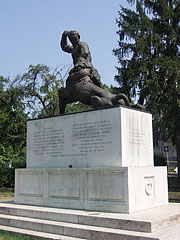
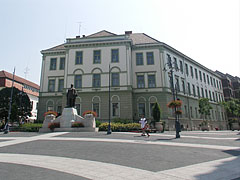
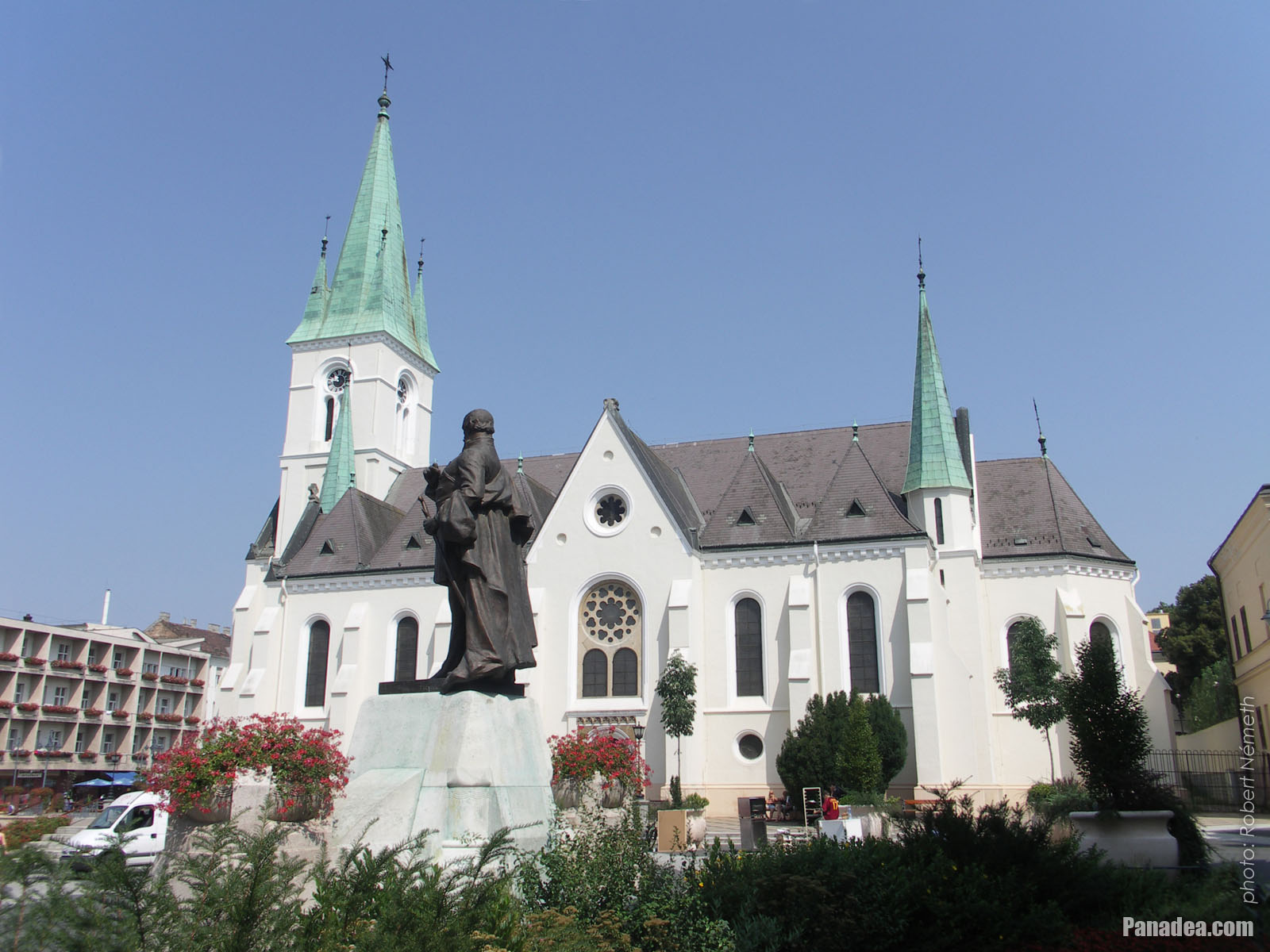 Statue of Lajos Kossuth Hungarian politician at the Roman Catholic Cathedral of Kaposvár
The statue of Lajos Kossuth Hungarian statesman on the main square was created by the local sculptor János Kopits. It was inaugurated at the same time as the Csiky Gergely Theatre, in 1911. Lajos Kossuth was elected as the parliamentarian (representative in the Parliament) of Kaposvár in 1869, but he resigned from this title. Twenty years later he was chosen to be the honorary citizen of the city. His name is still on the marble plaque at the entrance inside the City Hall.
 Wall painting on the facade of the Cathedral of the Assumption of Mary ("Nagyboldogasszony-székesegyház")
The picture over the door of the Cathedral of Kaposvár was painted in 1937, it represents the sitting Our Lady of Hungary, as well as religious and secular persons who glorify Jesus Christ.
The Hungarian expressions "Nagyboldogasszony" and "Magyarok Nagyasszonya" (in English "Assumption of Mary" and "Our Lady of Hungary"), as well as the Latin "Beata Virgo" ("Blessed Virgin") both related to the same person: Virgin Mary, mother of Jesus Christ. The female given name "Mary" comes from the Hebrew "Miryam" name that was initially meant (probably) "bitter", although currently there's no widely accepted meaning.
According to the tradition King St. Stephen I. of Hungary offered Hungary to the Blessed Virgin Mary, because he didn't have a crown prince son who didn't die before him, and the "Our Lady of Hungary" (in Hungarian "Magyarok Nagyasszonya") expression probably comes from this.
 Terraced fountains in front of the cathedral
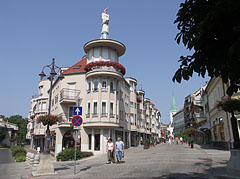
At the edge of the square with the socialist realist building of Hotel Kapos stands at the edge of the square
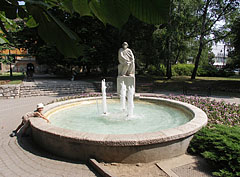
The year 2003 brought a major change in the life of Kaposvár city. The surroundings of the Kossuth Square became completely closed to the car traffic, cozy and human-friendly pedestrian zone was developed with decorative stone paved spacious squares, which were almost immediately occupied by the delighted people. Maybe due to the new cityscape Kaposvár received the honorific "Settlement of the Year" title on the public voting of the public service national television ("Magyar Televízió" or "Hungarian Television"). The fountains of the main square were also placed here during the great renovations of 2003, they are designed by János Ripszám.
 The older building of the Town Hall
The old City Hall or Town Hall (in Hungarian "Városháza") of Kaposvár is one of the dominant buildings on the main square. It was built in 1903 in neo-renaissance style, designed by György Kopeczek and Róbert Kertész. On its place there was only a tiny cottage even at the end of the 1800s. This house was a small inn called "Vendéglő a Bárányhoz" ("The Lamb Inn"), and the simple first Town Hall building was right next to it. After soon it proved to be too small for the more and more complicated cases of Kaposvár, in the place of the inn and the old Town Hall the current impressive building was built in the early-20th century.
The people who enter into the building were welcomed with the marble plaque of the honorary citizens of Kaposvár. The murals (wall paintings) in the interior were painted by Géza Udvardy, including the coat of arms of the county and the city in the entrance hall, as well as the picture of the former Kaposvár Castle in the main staircase. The latter was based on the copperplate engraving of Giacomo de Rossi from 1686. Some of the specialities are for example the wainscoted (wooden panelled) great hall, including the large paintings inside this hall representing Ferenc Deák and Lajos Kossuth Hungarian statesmen (created by Béla Bacskay). The stained-glass windows of the ceremonial hall and the stairway were created by the world-famous glass painter Miksa Róth.
 Cool fountain with oleanders in the center of the main square, and the Roman Catholic Episcopal Church
In 1702 just a tiny wooden church stood on the site of the current Cathedral of Kaposvár, but that was ruined in a short time, then it was demolished. The first stone church building on its site was completed in 1744, but the growing population of Kaposvár outgrew it soon. That's why the current magnificent neo-romanesque style church was built. It was consecrated in 1886 and received cathedral title in 1993.
 Statue of Saint John of Nepomuk, farther with the yellow building of the former priory
St. John of Nepomuk (in Hungarian "Nepomuki Szent János") is the patron saint of the city. The stone statue which represents him and standing in front of the cathedral was carved in 1742 and it is the second oldest statue of Kaposvár.
There is a tabernacle column at the corner of the Csalogány Street and Béla király Street, it was created in 1721 thus it deserves the title of the oldest sculpture of Kaposvár. In the small niche of the column there is a small baroque wooden statuette, the so-called squatter, squatting or crouching Jesus. The statue represents the bound Jesus in crouching position with the crown of thorns on his head.
Możesz być także zainteresowany (Powiązane strony):
Cele podróży w przewodniku:
Kaposvár (50 zdjęcia + 3 zdjęcia panoramiczne)
Somogy megye (county) (971 zdjęcia + 15 zdjęcia panoramiczne)
Kraj Zadunajski Południowa (Dél-Dunántúl) (1 597 zdjęcia + 8 zdjęcia panoramiczne)
Węgry (27 287 zdjęcia + 163 zdjęcia panoramiczne)
i również:
(tu: Kraj Zadunajski Południowa i Somogy megye)
Baranya megye (county) (857 zdjęcia + 4 zdjęcia panoramiczne)
Tolna megye (county) (487 zdjęcia + 1 zdjęcia panoramiczne)
Barcs (203 zdjęcia)
Balatonboglár
Balatonlelle (13 zdjęcia)
Balatonföldvár (11 zdjęcia)
Fonyód (290 zdjęcia)
Siófok (388 zdjęcia + 11 zdjęcia panoramiczne)
Barcs (203 zdjęcia)
Zamárdi (16 zdjęcia + 1 zdjęcia panoramiczne)
Każde zdjęcie panorama tutaj:
Kaposvár (3 zdjęcia)
Somogy megye (county) (15 zdjęcia)
Kraj Zadunajski Południowa (Dél-Dunántúl) (8 zdjęcia)
Węgry (163 zdjęcia)
Europa (165 zdjęcia)
Każdy normalny zdjęcia tutaj:
Kaposvár (50 zdjęcia)
Somogy megye (county) (971 zdjęcia / 17 galerie)
Kraj Zadunajski Południowa (Dél-Dunántúl) (1 597 zdjęcia / 32 galerie)
Węgry (27 287 zdjęcia / 462 galerie)
Europa (30 494 zdjęcia / 523 galerie)
https://www.panadea.com/pl/guidebook/kaposvar/photos/gal-001

Dodaj do Ulubionych Dodaj do Zakładek
Podziel się ze swoimi przyjaciółmi!
itp.


Nasz przewodnik turystyczny zawiera:
Liczne zdjęcia i obrazy panoramiczne, z dużą ilością informacji i ciekawostki.
- 214 miejsc / cele podróży
- 165 zdjęcia panoramiczne
- 30 494 inne zdjęcia
Wielki zbiór wybranych zdjęć: doskonała jakość, wysoka rozdzielczość i naturalne kolory
O nas - Informacja prawna (Wyłączenie odpowiedzialności) -
Wszelkie prawa zastrzeżone
- ©2010-2022
Neuronit Creative Studio - Mogyoród / Budapeszt / Węgry