

(Optimalizované pro zařízení s malou obrazovkou)
Festetics Palace - Keszthely, Maďarsko
Když klepnete:
Klikněte na obrázky!
-

The west side of the baroque Festetics Palace
The palace was built between 1745-1880, architects: Gustav Haas and Maximilian Paschkisch
Datum fotografie: 22. 5. 20052005
Vytvořil: Robert Németh
Model fotoaparátu: Konica Minolta Dimage A200
Keszthely, Maďarsko
-

The north wing of the Festetics Palace, there is a fountain in the park in front of it
Datum fotografie: 22. 5. 20052005
Vytvořil: Robert Németh
Model fotoaparátu: Konica Minolta Dimage A200
Keszthely, Maďarsko
-

The Carriage Museum or Coach Museum in the former stable and carriage house (also called remise or coach house)
It was built sometime between 1883-1887.
Datum fotografie: 22. 5. 20052005
Vytvořil: Robert Németh
Model fotoaparátu: Konica Minolta Dimage A200
Keszthely, Maďarsko
-

The palace garden with a small lake or pond, the 8-hectare-area park is a nature reserve, part of the Balaton Uplands National Park ("Balaton-felvidéki Nemzeti Park")
Datum fotografie: 22. 5. 20052005
Vytvořil: Robert Németh
Model fotoaparátu: Konica Minolta Dimage A200
Keszthely, Maďarsko
-

Carriage Museum of Keszthely, Hungarian bride coach from around 1770
Datum fotografie: 22. 5. 20052005
Vytvořil: Robert Németh
Model fotoaparátu: Konica Minolta Dimage A200
Keszthely, Maďarsko
-

The wonderful baroque wrought-iron gate of the park of the Festetics Palace
It was made in 1887, work of Antal Hencz master builder, Máté Polacsek stonemason and Lajos Marton locksmith.
Datum fotografie: 22. 5. 20052005
Vytvořil: Robert Németh
Model fotoaparátu: Konica Minolta Dimage A200
Keszthely, Maďarsko
-

The garden of the baroque Festetics Palace with a fountain
Datum fotografie: 22. 5. 20052005
Vytvořil: Robert Németh
Model fotoaparátu: Konica Minolta Dimage A200
Keszthely, Maďarsko
-

The southern side of the Festetics Palace of Keszthely
Datum fotografie: 22. 5. 20052005
Vytvořil: Robert Németh
Model fotoaparátu: Konica Minolta Dimage A200
Keszthely, Maďarsko
-

The tower of the Festetics Palace of Keszthely
Datum fotografie: 22. 5. 20052005
Vytvořil: Robert Németh
Model fotoaparátu: Konica Minolta Dimage A200
Keszthely, Maďarsko
-

Statue of Count György Festetics in the palace garden
Created by Lajos Lukácsy in 1902, originally it stood on the Fő Square or main sqaure, it was moved to here next to the palace in 1967.
Datum fotografie: 22. 5. 20052005
Vytvořil: Robert Németh
Model fotoaparátu: Konica Minolta Dimage A200
Keszthely, Maďarsko
-
Ornate iron lamp post
Datum fotografie: 22. 5. 20052005
Vytvořil: Robert Németh
Model fotoaparátu: Konica Minolta Dimage A200
Keszthely, Maďarsko
Ornate iron lamp post - Keszthely, Maďarsko -
The Festetics Palace, including the Helikon Palace Museum
Datum fotografie: 22. 5. 20052005
Vytvořil: Robert Németh
Model fotoaparátu: Konica Minolta Dimage A200
Keszthely, Maďarsko
The Festetics Palace, including the Helikon Palace Museum - Keszthely, Maďarsko -
Palace park
Datum fotografie: 22. 5. 20052005
Vytvořil: Robert Németh
Model fotoaparátu: Konica Minolta Dimage A200
Keszthely, Maďarsko
Palace park - Keszthely, Maďarsko -
Giant old oak tree in the palace park
Datum fotografie: 22. 5. 20052005
Vytvořil: Robert Németh
Model fotoaparátu: Konica Minolta Dimage A200
Keszthely, Maďarsko
Giant old oak tree in the palace park - Keszthely, Maďarsko -
Old Hungarian coach in the Carriage Museum
Datum fotografie: 22. 5. 20052005
Vytvořil: Robert Németh
Model fotoaparátu: Konica Minolta Dimage A200
Keszthely, Maďarsko
Old Hungarian coach in the Carriage Museum - Keszthely, Maďarsko -
Carriage Museum of Keszthely (or Coach Museum, in Hungarian "Hintómúzeum")
Datum fotografie: 22. 5. 20052005
Vytvořil: Robert Németh
Model fotoaparátu: Konica Minolta Dimage A200
Keszthely, Maďarsko
Carriage Museum of Keszthely (or Coach Museum, in Hungarian "Hintómúzeum") - Keszthely, Maďarsko -
Carriage Museum of Keszthely, Hungarian park coach from the early-18th century
Datum fotografie: 22. 5. 20052005
Vytvořil: Robert Németh
Model fotoaparátu: Konica Minolta Dimage A200
Keszthely, Maďarsko
Carriage Museum of Keszthely, Hungarian park coach from the early-18th century - Keszthely, Maďarsko -
Old toys, a small cart and a small wheeled wooden horse in the Carriage Museum of Keszthely
Datum fotografie: 22. 5. 20052005
Vytvořil: Robert Németh
Model fotoaparátu: Konica Minolta Dimage A200
Keszthely, Maďarsko
Old toys, a small cart and a small wheeled wooden horse in the Carriage Museum of Keszthely - Keszthely, Maďarsko -
A so-called "cavalier coach" in the Carriage Museum
Datum fotografie: 22. 5. 20052005
Vytvořil: Robert Németh
Model fotoaparátu: Konica Minolta Dimage A200
Keszthely, Maďarsko
A so-called "cavalier coach" in the Carriage Museum - Keszthely, Maďarsko -
Coach Museum or Carriage Museum of Keszthely
Datum fotografie: 22. 5. 20052005
Vytvořil: Robert Németh
Model fotoaparátu: Konica Minolta Dimage A200
Keszthely, Maďarsko
Coach Museum or Carriage Museum of Keszthely - Keszthely, Maďarsko -
Carriage Museum (also known as Cart and Coach Museum of Keszthely)
Datum fotografie: 22. 5. 20052005
Vytvořil: Robert Németh
Model fotoaparátu: Konica Minolta Dimage A200
Keszthely, Maďarsko
Carriage Museum (also known as Cart and Coach Museum of Keszthely) - Keszthely, Maďarsko -
Old mail coaches in the Carriage Museum
Datum fotografie: 22. 5. 20052005
Vytvořil: Robert Németh
Model fotoaparátu: Konica Minolta Dimage A200
Keszthely, Maďarsko
Old mail coaches in the Carriage Museum - Keszthely, Maďarsko -
A brief mail coach history on an information board in the Carriage Museum
Datum fotografie: 22. 5. 20052005
Vytvořil: Robert Németh
Model fotoaparátu: Konica Minolta Dimage A200
Keszthely, Maďarsko
A brief mail coach history on an information board in the Carriage Museum - Keszthely, Maďarsko -
Details of a horse sleigh in the Carriage Museum
Datum fotografie: 22. 5. 20052005
Vytvořil: Robert Németh
Model fotoaparátu: Konica Minolta Dimage A200
Keszthely, Maďarsko
Details of a horse sleigh in the Carriage Museum - Keszthely, Maďarsko -
Carriages in the exhibition of the Carriage Museum
Datum fotografie: 22. 5. 20052005
Vytvořil: Robert Németh
Model fotoaparátu: Konica Minolta Dimage A200
Keszthely, Maďarsko
Carriages in the exhibition of the Carriage Museum - Keszthely, Maďarsko -
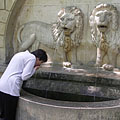
Drinking fountain with lion sculptures in the palace park
The lion figures were sculpted by Joseph Klieber in 1822.
Datum fotografie: 22. 5. 20052005
Vytvořil: Robert Németh
Model fotoaparátu: Konica Minolta Dimage A200
Keszthely, Maďarsko
Drinking fountain with lion sculptures in the palace park - Keszthely, Maďarsko -
Triangular tympanum on the neo-classical well-house of the drinking fountain with the lion sculptures in the palace park
Datum fotografie: 22. 5. 20052005
Vytvořil: Robert Németh
Model fotoaparátu: Konica Minolta Dimage A200
Keszthely, Maďarsko
Triangular tympanum on the neo-classical well-house of the drinking fountain with the lion sculptures in the palace park - Keszthely, Maďarsko -
Park with pine trees
Datum fotografie: 22. 5. 20052005
Vytvořil: Robert Németh
Model fotoaparátu: Konica Minolta Dimage A200
Keszthely, Maďarsko
Park with pine trees - Keszthely, Maďarsko -
A common wood pigeon couple in the park
These birds can be seen almost always in couples.
Datum fotografie: 22. 5. 20052005
Vytvořil: Robert Németh
Model fotoaparátu: Konica Minolta Dimage A200
Keszthely, Maďarsko
A common wood pigeon couple in the park - Keszthely, Maďarsko -
Common wood pigeon (Columba palumbus)
Datum fotografie: 22. 5. 20052005
Vytvořil: Robert Németh
Model fotoaparátu: Konica Minolta Dimage A200
Keszthely, Maďarsko
Common wood pigeon (Columba palumbus) - Keszthely, Maďarsko -
Wagtail songbird in the grass
Datum fotografie: 22. 5. 20052005
Vytvořil: Robert Németh
Model fotoaparátu: Konica Minolta Dimage A200
Keszthely, Maďarsko
Wagtail songbird in the grass - Keszthely, Maďarsko -
The Festetics Palace of Keszthely (Helikon Palace Museum)
Datum fotografie: 22. 5. 20052005
Vytvořil: Robert Németh
Model fotoaparátu: Konica Minolta Dimage A200
Keszthely, Maďarsko
The Festetics Palace of Keszthely (Helikon Palace Museum) - Keszthely, Maďarsko -
The baroque style Festetics Palace of Keszthely
Datum fotografie: 22. 5. 20052005
Vytvořil: Robert Németh
Model fotoaparátu: Konica Minolta Dimage A200
Keszthely, Maďarsko
The baroque style Festetics Palace of Keszthely - Keszthely, Maďarsko




Klikněte na obrázky!
Charakteristiky, vlastnosti
Umístění:
GPS souřadnice: Šířky 46°46'15", Délky 17°14'29" (N46 46.25 - E17 14.48)
Informace, krátké příběhy, zajímavosti
 Carriage Museum of Keszthely, Hungarian bride coach from around 1770
In the context of horse-drawn vehicles (e.g. carriages and wagons) the English "coach" word is derived from the Hungarian word "kocsi" that means: "of Kocs", which is a village in Hungary. At the age of King Matthias in the 15th century the settlement was already an important post town and mail coach station between Budapest (Buda and Pest) and Vienna, Austria. At that time a new light and fast carriage was developed in Hungary, which spread very quickly across Europe, thanks to its obvious benefits and among others to the nephew of Queen Beatrix. The new vehicle was names after Kocs settlement. There was a special suspension among the innovations and advantages, it helped to travel more comfortable. In addition, due to the better rolling of the wheels the fast vehicle could carry even eight passengers with a single horse, and even for longer distance.
Today still the various versions of the Hungarian "kocsi" word is used for the light carriages in many European languages: in English "coach", in German "Kutsche", in Spanish, Portuguese and French "coche", in Catalan "cotxe", in Italian "cocchio", in Dutch "koets", in Flemish "goetse", in Polish "kocz", in Czech "kočár", in Slovak "koč" or "kočiar", in Ukrainian "коч", in Croatian and Slovenian "kočija", in Serbian "кочије", in Swedish "kusk", and in Kurdish "koçk". Even more interesting that in Asia Minor and in the Caucasus the light horse-drawn wagon is simply called "madjar", so practically "Magyar" or "Hungarian".
Keszthely - Další fotogalerie:
Ty by mohly být také zájem o (Související stránky):
Destinací v průvodci:
Keszthely (100 fotky + 8 panoramatický fotky)
Zala megye (county) (354 fotky + 12 panoramatický fotky)
Národní park Balaton-felvidék (440 fotky + 15 panoramatický fotky)
Blatenské jezero (Balaton) (1 597 fotky + 35 panoramatický fotky)
Maďarsko (27 287 fotky + 163 panoramatický fotky)
a kromě toho:
(v rámci zde: Národní park Balaton-felvidék a Zala megye)
Balaton Uplands (Balaton-felvidék) (123 fotky + 5 panoramatický fotky)
Kis-Balaton
Kis-Balaton
Tihany (106 fotky + 1 panoramatický fotky)
Balatongyörök (8 fotky)
Kehidakustány (31 fotky)
Hévíz (150 fotky + 1 panoramatický fotky)
Hévíz (150 fotky + 1 panoramatický fotky)
Zalakaros (43 fotky + 3 panoramatický fotky)
Zalaegerszeg (22 fotky)
Každý panorama foto zde:
Keszthely (8 fotky)
Zala megye (county) (12 fotky)
Národní park Balaton-felvidék (15 fotky)
Blatenské jezero (Balaton) (35 fotky)
Maďarsko (163 fotky)
Evropa (165 fotky)
Všechny normální fotografie zde:
Keszthely (100 fotky / 3 galerie)
Zala megye (county) (354 fotky / 9 galerie)
Národní park Balaton-felvidék (440 fotky / 13 galerie)
Blatenské jezero (Balaton) (1 597 fotky / 35 galerie)
Maďarsko (27 287 fotky / 462 galerie)
Evropa (30 494 fotky / 523 galerie)
https://www.panadea.com/cs/guidebook/keszthely/photos/gal-002

Přidat k Oblíbeným Přidat do Záložek
Sdílejte se svými přáteli!
atd.


Naš cestovní průvodce obsahuje:
Četné fotografie a panoramatické obrázky, se spoustou informací a zajímavosti.
- 214 turistické destinací
- 165 panoramatický fotky
- 30 494 další fotky
Velká sbírka vybraných fotografií: vynikající kvalita, vysoké rozlišení a přirozené barvy
Všechna práva vyhrazena
- ©2010-2022
Neuronit Creative Studio - Mogyoród / Budapešť / Maďarsko